Home preparedness
Safest Place in the House During a Severe Thunderstorm
Choose the safest place in the house during a severe thunderstorm: usually a basement or small, interior, windowless room on the lowest level, with clear limits.
A room-selection guide for typical homes: choose a lower, interior, windowless area before warnings arrive, keep basics nearby, and respect housing-specific limits.
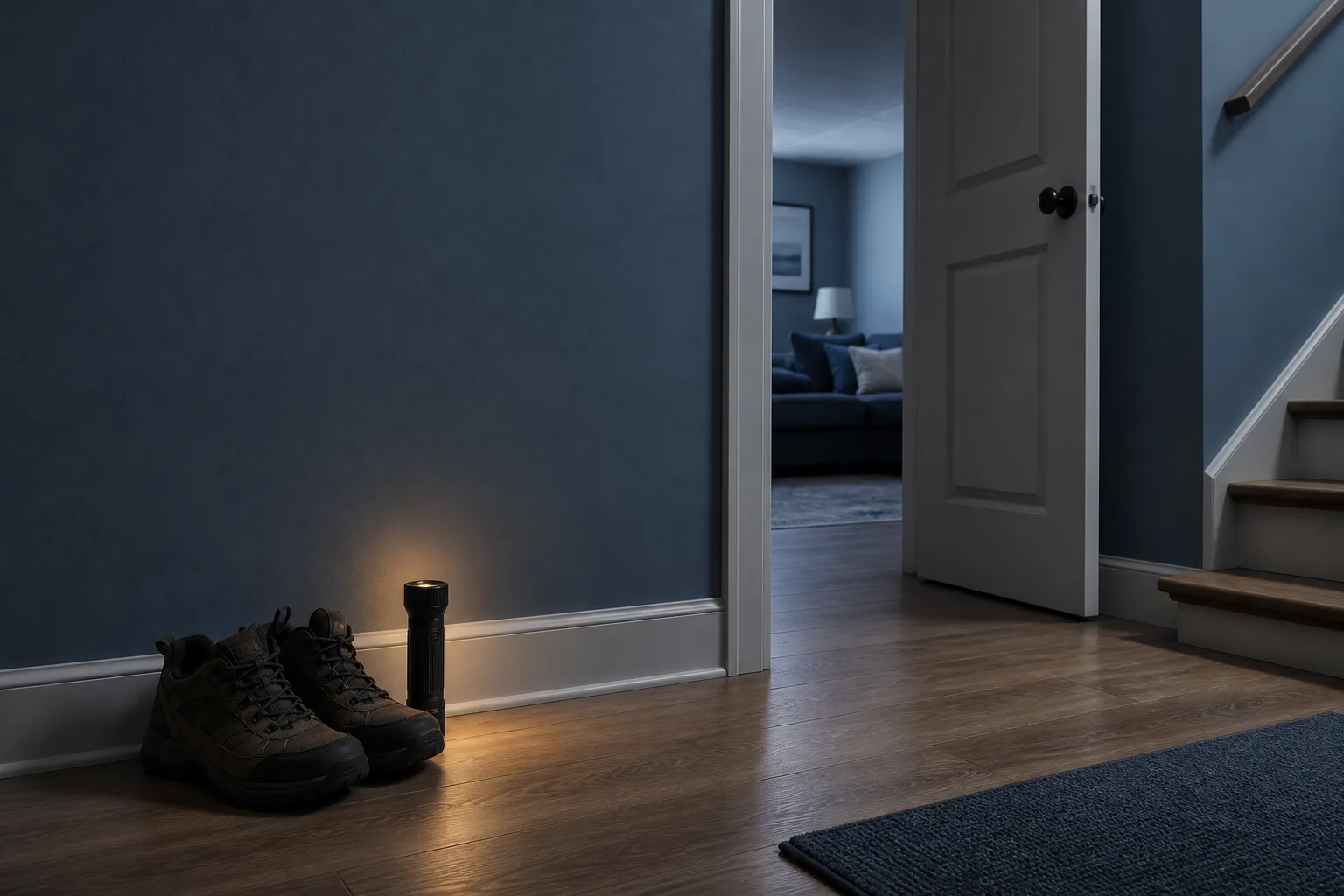
The safest place in the house during a severe thunderstorm is usually a basement or a small, interior, windowless room on the lowest level of a sturdy home. Choose it before a Severe Thunderstorm Watch turns into a warning, and keep the path clear enough to use quickly. This is general room-selection guidance, not an engineering guarantee for any floor plan. If your best option is imperfect, name it anyway so people do not debate under pressure. During the watch stage, use the free ZIP checker for current Severe Thunderstorm Watch status; during warnings or threatening conditions, follow weather.gov, NOAA Weather Radio, and local alerts.
Direct answer: safest place in the house to choose
For many homes, the best general choice is a basement. If there is no basement, choose a small room on the lowest level, as interior as possible, with no windows or the fewest windows. Examples might include an interior bathroom, closet, hallway, or storage room, depending on the home. The exact room depends on the floor plan.
Red Cross thunderstorm guidance supports the basic pattern: shelter in a basement or a small, interior, windowless room on the lowest level of a sturdy building for additional protection from high winds. NWS severe-weather alert language says warnings mean take action and shelter in a substantial building.
This page is for typical in-house selection. Apartment residents should use the apartment-specific guide when it is available: apartment Severe Thunderstorm Watch safe place. If the problem is specifically a house with no basement, use the no-basement severe thunderstorm watch safe-place guide.
Why lower, interior, and windowless matters
The lower, interior, and windowless pattern keeps you away from the most obvious exposure: exterior walls, windows, and rooms where flying debris or broken glass is more likely to matter. It also tends to put more walls between you and the outside. That is a practical planning principle, not a promise that one room is safe in every storm.
Ready.gov recommends identifying sturdy buildings near places where you live, work, study, and play. Red Cross narrows the home-room choice further by naming a basement or small, interior, windowless room on the lowest level. Those sources support the shape of the decision without certifying your home.
Avoid using this guidance as a reason to wait. If a warning is issued or threatening weather is imminent, go to the best available protected spot according to current instructions. The watch stage is when you compare rooms calmly, not when you are already under pressure.
How to compare rooms in your home
Walk through the home and ask five questions. Is the room on the lowest level you can use? Is it away from exterior walls? Does it have no windows, or fewer windows than the alternatives? Can everyone reach it quickly? Can you avoid obvious hazards on the route, such as glass doors, cluttered stairs, or a garage full of loose items?
Do not let the perfect room block a useful choice. Many homes do not have a basement or a purpose-built shelter. The goal is to choose the best available interior, lower, windowless or low-window option before you need it. If two rooms are similar, choose the one people can reach faster and use more easily in the dark.
Write the choice into your home preparedness plan so it is not debated every time a watch is issued. A named room is easier to act on than the vague instruction “go somewhere safe.”
What to keep near the shelter spot
Keep this minimal. A flashlight, sturdy shoes, a charged phone or nearby charger, and any essential accessibility item may be enough for the shelter area itself. If your household keeps a storm kit elsewhere, know whether it is on the route or whether a few items should stay near the chosen room.
Do not move heavy storage, furniture, or appliances in a rush because a watch was issued. Do not open windows because of storm-pressure myths. Do not turn room selection into construction advice. If you need structural upgrades, safe-room design, or home-hardening decisions, those are separate projects outside this watch-stage guide.
The room should be usable when conditions change. If the door is blocked by boxes, the flashlight is missing, or the dog crate prevents everyone from fitting, fix that during calm weather or the watch window if it is safe.
When a watch should trigger a quick room check
A Severe Thunderstorm Watch is a good trigger for a short room check because it comes before warning-stage urgency. Confirm the route, look for clutter, place shoes or a light, and remind the household of the chosen area. That is enough. The watch does not mean you must sit in the room for hours unless current warnings, weather, or local instructions require action.
The broader Home preparedness hub covers alert channels, supplies, and household plans. The guide library covers other severe-thunderstorm watch questions. Keep this page centered on the room itself.
If you have guests, children, or someone with mobility needs in the home, explain the room choice before bedtime or before storms approach. A person who hears the plan for the first time during a warning may lose time asking what you mean.
When to rely on official warnings
Room selection is preparation. Warnings and local instructions control urgent action. If a Severe Thunderstorm Warning covers your area, severe weather is imminent or occurring, or local authorities give instructions, follow current sources instead of continuing to compare rooms.
The Severe Thunderstorm Watch vs. Warning guide explains why the action level changes. The short version is that a watch lets you get ready; a warning means act for the warned area. If conditions are unclear, do not treat uncertainty as safety. Check current sources and move to the best available protected place when warning-stage information tells you to.
A good room choice is humble: lower, interior, windowless if possible, reachable, and known by the household. It reduces improvisation; it does not guarantee an outcome.
Official sources
Source ledger
These sources support the guide copy and structured data.
- Understand Severe Weather Alerts
Checked 2026-07-26: NWS warning guidance says severe weather reported or indicated by radar requires action and says to take shelter in a substantial building.
- Thunderstorms & Lightning | Ready.gov
Checked 2026-07-26: Ready.gov recommends making an emergency plan and identifying sturdy buildings near common locations before thunderstorms.
- Thunderstorm Safety | American Red Cross
Checked 2026-07-26: Red Cross recommends sheltering in a basement or small, interior, windowless room on the lowest level of a sturdy building and practicing where household members should go.